
On World Day of the Sick, Mercy Health reflects on the shared call to accompany those who are unwell, alongside their families, carers and clinicians.
This year’s theme, chosen by Pope Leo XIV – The compassion of the Samaritan: loving by bearing another’s pain – invites us to pause and recognise the quiet, everyday acts of care that uphold dignity and ease suffering.
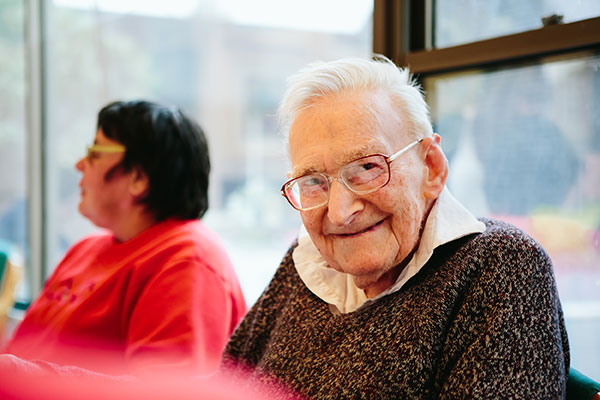
Across Melbourne’s west, this compassion is lived out through Mercy Health’s specialist palliative care services. Multidisciplinary teams provide expert clinical care, while pastoral care practitioners and trained volunteers offer emotional and spiritual support to people nearing the end of life. Together, they ensure care extends beyond physical needs, creating space for presence, listening and connection.
Volunteers play a vital role in this care, offering unhurried companionship to patients and families during deeply vulnerable moments. Their contribution reflects Mercy Health’s enduring mission, inspired by the legacy of Catherine McAuley and the Gospel story of the Good Samaritan, to draw near to those in need with tenderness and respect.
Mercy Health palliative care services continue to respond to the growing diversity of Melbourne’s west, supporting people from many cultural and linguistic backgrounds and providing care in homes, hospitals and community settings. Through this work, Mercy Health honours the dignity of every person and accompanies individuals and families with compassion at the end of life.
Read the full article to learn more about how Mercy Health staff and volunteers are providing specialist palliative care services in Melbourne’s west.
Learn more about how you can volunteer with Mercy Palliative Care here