Two neonatal incubators that once helped care for Melbourne’s smallest and most vulnerable babies have been given a remarkable second life – now helping orphaned and injured Australian wildlife.
In August, Mercy Hospital for Women donated two decommissioned neonatal incubators to zoologist Dr Robyn Coy, founder of Tarcombe Animal Shelter, whose 400-acre wildlife sanctuary was devastated by the Longwood bushfires in January.
The fire tore through Robyn’s home and wildlife shelter, destroying her veterinary equipment and leaving her without the specialist equipment she relied on to care for sick and injured wildlife.
Among the equipment lost was an incubator, which Robyn said “melted into a puddle” as the fire tore through her property.
“When the fire came through in January, my incubator melted into a puddle on the floor, and honestly I didn’t think I’d ever be able to replace it,” Robyn said. “They’re such expensive pieces of equipment, so these incubators are going to make a huge difference. They give us the thermoregulation that’s so critical for injured and sick animals.”
The donation was facilitated by Medical Pantry, an organisation that rescues and redistributes surplus medical equipment from Australia’s healthcare system to organisations that can put it to use.
For Robyn, the incubators arrived at a critical time. In the weeks following the fire, more than 20 animals came into her care, including orphaned joeys, possums, birds and other native wildlife.
With the sanctuary still being rebuilt, Robyn has relied on temporary facilities, community support and donated resources to continue caring for animals. “Having an incubator can make a huge difference to these little animals,” Robyn said. “Being able to keep their temperature and humidity stable gives them the best possible environment to recover. In my experience, it can increase their chance of survival by up to 85 per cent.”
A second life for neonatal equipment
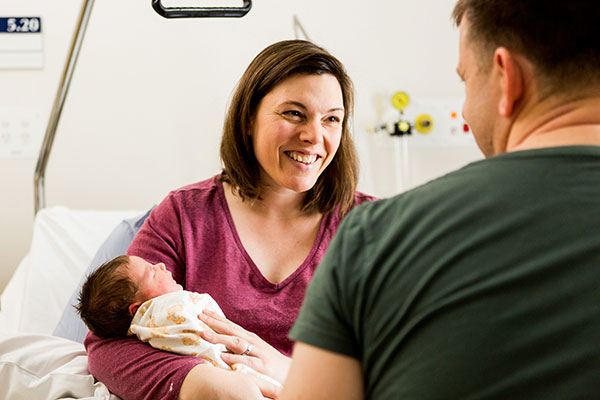
At Mercy Hospital for Women, neonatal incubators have played an important role in caring for premature and critically ill babies, creating a warm and controlled environment during their earliest days of life.
While the two incubators had reached the end of their clinical working life at Mercy Health, they remained in excellent condition – making them suitable for a new purpose beyond the hospital.
Leah Davison, Equipment Nurse in Mercy Hospital for Women’s Neonatal Unit, said it was special to see equipment that had supported vulnerable babies continue to make a difference in the community.
“These incubators cared for some of our most vulnerable babies in the NICU over the years,” Leah said.
“They’d reached the end of their working life here at Mercy Hospital for Women, but they were still in perfect condition. It’s wonderful to know they can now go on supporting Robyn and the incredible work she does.”
“It’s a lovely thought that they’re still making a difference, just in a different part of the community.”
For Robyn, the incubators have become another important part of rebuilding Tarcombe Animal Shelter after the devastating fire.
“The support we’ve received since the fire has been incredible,” she said.
“Losing the shelter and so much of our equipment was devastating, but we’ve just kept going because the animals still need us. Having these incubators is another step towards getting back on our feet.”
The donation is a reminder that equipment reaching the end of its clinical life can still have an important role to play elsewhere – giving two neonatal incubators that once cared for premature babies a new purpose caring for some of Australia’s most vulnerable wildlife.
“It’s humbling,” Robyn said. “I’m so grateful to Medical Pantry for facilitating this and to Mercy Hospital for Women for donating not one, but two. It’s incredibly special to give them a second life.”
Channel Nine highlighted this story, watch below.